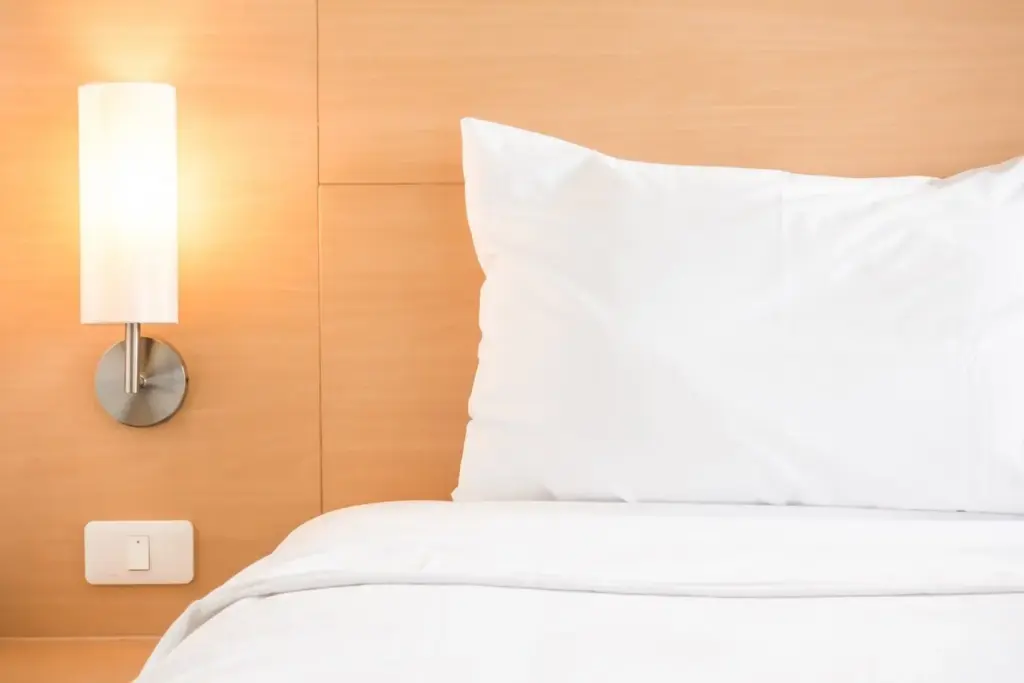



Perimeter coves done right
Run low-profile LED tape inside plaster or crown details to bounce light off the ceiling, keeping fixtures invisible. Respect expansion gaps and heat management. Pair with matte ceilings so the reflection reads serene, not patchy, and zone each wall for flexible evening scenes and later-night intimacy.
Ceiling planes as reflectors
Paint ceilings a half-step warmer or softer than walls to deepen the bounce and remove clinical edges. Wide 60–90° beams spaced at 1.2 times ceiling height avoid scalloping. The payoff is a canopy that glows like dusk, flattering faces and furnishings effortlessly.

Smart dimming scenes
Preset scenes—Breakfast, Arrival, Dinner, Unwind—turn complexity into ease. One button fades coves to 30 percent, lifts pendants for tasks, and warms lamps for softness. App controls schedule circadian shifts, while physical keypads keep muscle memory intact when guests visit and phones stay tucked away.